If you’ve ever sat in a marketing meeting and heard someone say, “We need to be on every platform,” you’re not alone. It’s a common belief and an easy one to fall into. After all, every day there’s a new app making waves, a trending TikTok format, or an algorithm update that has everyone scrambling. It can feel like you’re constantly playing catch-up just to stay visible.
But here’s the truth: you don’t need to be everywhere. In fact, for most businesses, trying to be on every platform does more harm than good.
This isn’t about doing less for the sake of it. It’s about doing what works — intentionally, strategically, and sustainably. So, let’s unpack the myth of “being everywhere” and find out how you can focus your social media energy where it actually matters.
The Myth of “Everywhere” Marketing
The idea that every brand needs to be active on every social platform came from a well-intentioned place. When social media first exploded, it was about reach. The more platforms you joined, the more people you could reach, in theory.
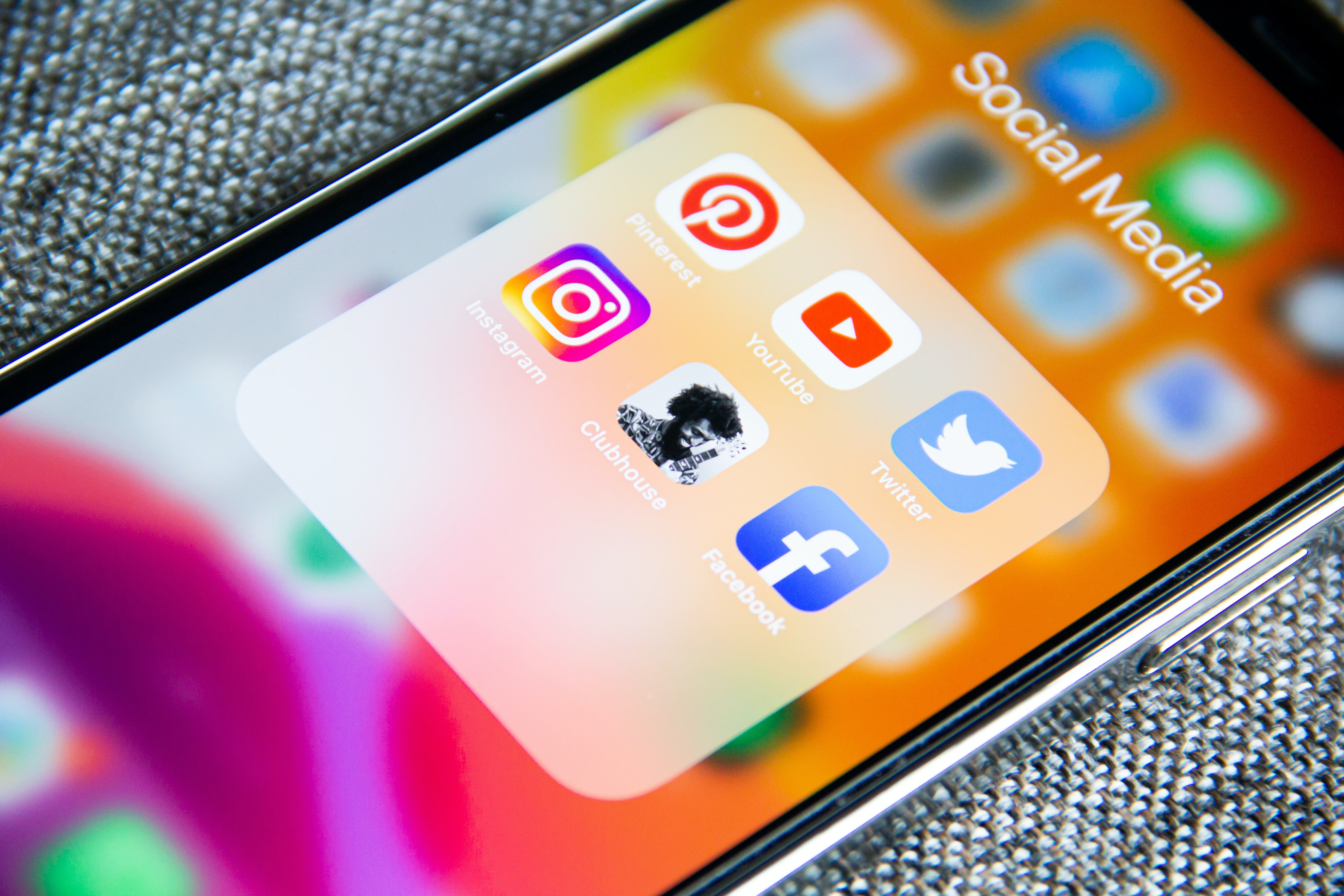
But fast-forward to 2025, and the landscape looks very different. Each platform has evolved into its own ecosystem:
- Instagram thrives on short, visual storytelling.
- TikTok rewards authenticity and creative video.
- LinkedIn caters to professional insight and thought leadership.
- Facebook remains strong for community engagement and ads.
- X (formerly Twitter) focuses on fast-paced conversation and commentary.
- YouTube is the home of long-form content and deep audience relationships.
The key phrase here? Each has its own purpose.
Trying to be active on all of them, with unique content tailored to each audience, is like trying to run five different businesses simultaneously. For most brands, even large ones, it’s simply not sustainable.
The FOMO Trap: Fear of Missing Out (and Burning Out)
Let’s be honest, a lot of social media decisions are driven by FOMO. A competitor goes viral on TikTok, and suddenly you’re wondering if you should start dancing on camera too. Or you see a post claiming “LinkedIn is where all the leads are,” and you rush to revive a dormant account.
The result? A scattergun approach that drains resources, dilutes your message, and leads to burnout.
You might find yourself:
- Posting inconsistently because you’re stretched too thin.
- Recycling the same content across every channel (and watching engagement plummet).
- Struggling to measure what’s working because there’s just too much data.
- Feeling guilty for not “doing enough” even when you’re doing everything.
Here’s the kicker: FOMO marketing rarely delivers ROI. Consistency and focus do.
Quality Over Quantity: Why Less Can Be More
The brands making real impact today aren’t necessarily the loudest. They’re the most strategic.
They’ve accepted that being exceptional on one or two platforms beats being average on six. By narrowing focus, they can:
- Create stronger content that truly connects with the audience.
- Engage meaningfully — replying to comments, joining discussions, and building relationships.
- Optimise resources — time, budget, and creative energy — where they actually generate returns.
- Develop deeper insights about what drives their audience to act.
Think of it like gardening. You can scatter seeds everywhere and hope something grows, or you can tend a smaller patch, carefully nurturing it until it flourishes.
How to Choose the Right Platforms for Your Business
So how do you decide where to show up? The right social mix depends on your audience, resources, and business goals. Let’s break it down.
1. Know Your Audience
Where does your audience actually spend time and what do they do there?
If you’re selling B2B services, LinkedIn might outperform TikTok tenfold. But if you’re in lifestyle retail, Instagram or Pinterest could be goldmines.
Look at your customer demographics, buying behaviour, and engagement patterns. Tools like Meta Insights and Google Analytics can show you which channels your audience prefers.
2. Assess Your Resources
Do you have the time and team to create unique content for five platforms? Or would two consistent, well-managed channels deliver stronger results?
Be realistic. It’s better to have two vibrant, active profiles than six quiet ones gathering digital dust.
3. Define Clear Goals
What’s the outcome you want from social media?
- Brand awareness? Visual and viral platforms like Instagram or TikTok are ideal.
- Lead generation? LinkedIn or Facebook Ads often perform better.
- Community building? Facebook Groups or Discord can work wonders.
- Customer service? X or Messenger can be strong tools.
Once you know the why, the where becomes clear.
4. Analyse Competitors (But Don’t Copy Them)
See where your competitors are active and where they’re getting traction. But don’t assume you should mirror them. Instead, ask:
- Are they actually engaging their audience?
- Is their content aligned with their brand positioning?
- Is there a gap you can fill where they’re absent or inconsistent?
Competitor analysis should inspire direction, not dictate it.
5. Test, Measure, Refine
Start small. Run a 3-month test focusing on 2–3 platforms. Measure performance against clear KPIs — engagement, reach, conversions, or cost-per-result. If something isn’t working, adjust or drop it.
Remember: social media success isn’t about being first everywhere. It’s about staying relevant where it counts.
Signs You’re Spreading Too Thin
If you’re not sure whether you’re juggling too much, watch for these signs:
- You’re reusing the same posts across every channel with no tailoring.
- You can’t remember the last time you checked analytics.
- Comments or messages go unanswered for days.
- You feel overwhelmed by content scheduling.
- You’re investing more time than you’re seeing in results.
If that sounds familiar, it’s time to simplify.
A strong social media strategy is sustainable; it should energise your marketing, not exhaust it.
Real-World Example: Focus That Pays Off
When Craftzero, Australia’s leading non-alcoholic drinks retailer, partnered with AdVisible, their goal wasn’t to chase every social platform under the sun, it was to make every marketing move count. Like many eCommerce brands, they faced the classic modern dilemma: limited time, multiple channels, and an audience scattered across the digital landscape.
Instead of spreading thin across TikTok, Pinterest, and YouTube “just because,” AdVisible helped Craftzero on where their customers were most engaged, including Instagram and Facebook. Through a strategic blend of social media marketing, SEO, and Google Ads, the focus shifted from being everywhere to being impactful where it truly mattered.
AdVisible developed thumb-stopping creative campaigns that spoke directly to Craftzero’s target market: Australians looking to enjoy social moments without alcohol. Authentic storytelling, engaging visuals, and data-backed ad targeting made every post count. Meanwhile, SEO and performance marketing worked behind the scenes to build visibility and trust.
The results? A 400% increase in organic traffic, consistent month-on-month growth, and a thriving social community that actively engages with the brand’s message.
Craftzero’s story proves that success in digital marketing isn’t about chasing trends, it’s about aligning focus with purpose. When your strategy is sharp and your efforts concentrated, every channel you choose works harder for your business.
The Smart Way to Diversify (Without Losing Focus)
Now, to be clear, focus doesn’t mean ignoring every other platform forever. As your business grows, you can gradually expand your digital footprint. The key is to do it strategically.
When you’ve mastered one or two platforms and built reliable workflows, then explore others with intention:
- Use insights from your existing channels to guide new content.
- Repurpose high-performing material (e.g. a LinkedIn post into a YouTube Short).
- Pilot a new platform for 90 days with measurable goals.
Think of it as a controlled expansion, not a frantic land grab.
Platform-by-Platform Reality Check for 2025
Let’s take a quick, realistic look at what’s working, and for whom, in 2025.
- Instagram: Still great for visual storytelling, lifestyle, and retail. Reels continue to drive reach.
- Facebook: Excellent for community-building and targeted paid campaigns. Organic reach is limited, but the ad ecosystem is unmatched.
- TikTok: Fantastic for authentic, entertaining content and brand storytelling — especially if you’re targeting Gen Z or younger millennials.
- LinkedIn: Ideal for B2B, thought leadership, and employer branding. Organic reach remains surprisingly strong for personal profiles.
- YouTube: The go-to platform for educational and long-form storytelling. A great choice if you can invest in consistent, quality video production.
- Pinterest: Perfect for eCommerce, design, and inspiration-driven businesses — especially home, beauty, and lifestyle.
- X (Twitter): Still valuable for real-time conversation, PR, and brand authority, though user behaviour is shifting.
You don’t need all of them. You just need the right ones for your brand.
The ROI of Focus
When you prioritise strategically, you’re not just saving time, you’re unlocking compounding returns.
Here’s what focused social media delivers:
- Higher engagement rates: More relevant content leads to deeper audience connection.
- Clearer insights: Easier to track what’s working and why.
- Better brand consistency: Your message stays coherent and recognisable.
- Stronger ROI: You invest where results are measurable and meaningful.
It’s not about doing less work. It’s about doing the right work.
Final Thoughts: Stop Chasing, Start Building
The one thing constant about the social media landscape is that it will always evolve. There’ll always be a new app, algorithm, or format promising explosive reach. But chasing every trend is a fast track to fatigue, not growth.
The smartest brands in 2025 aren’t trying to do it all. They’re doubling down on the channels that matter most, where they can show up consistently, authentically, and strategically.
At AdVisible, we help businesses cut through the noise — crafting social strategies that drive results, not overwhelm. Whether you need to refine your current channels or build a roadmap for smarter growth, we’ll help you focus where it counts. Book a free social media strategy session with AdVisible and discover how to turn focus into results, no FOMO required.