If you are a business owner investing in digital marketing, chances are you have asked this question before.
Should we focus on SEO?
Or should we just run Google Ads?
It is one of the most common conversations we have with clients. And it usually starts the same way. You want more leads, more sales and more visibility. You also want results as soon as possible, without wasting budget.
The truth is that both SEO and Google Ads can work exceptionally well. The better question is not which one is better in general. It is which one is right for your business right now.
The answer depends on your goals, timeline, budget, competition and stage of growth. Let us break it down clearly so you can make a confident, informed decision.
First, Let’s Get Clear on What Each One Actually Does
What SEO Really Means for Your Business
SEO, or search engine optimisation, is the process of improving your website to rank organically in search results. When someone searches for a product or service you offer, your goal is to appear naturally in the top positions.
This involves:
- Technical optimisation of your website
- Creating relevant, high-quality content
- Earning backlinks and building authority
- Improving user experience and site performance
SEO is not a switch you turn on. It is a long-term strategy. Results build over time, but when they come, they compound.
The biggest advantage of SEO is that it creates sustainable traffic. Once you rank well for high-intent keywords, you can generate leads consistently without paying for every click.
The challenge is patience. SEO can take months to gain momentum, especially in competitive industries.
What Google Ads Brings to the Table
Google Ads is paid search advertising. You bid on keywords, and your ads appear at the top of the search results.
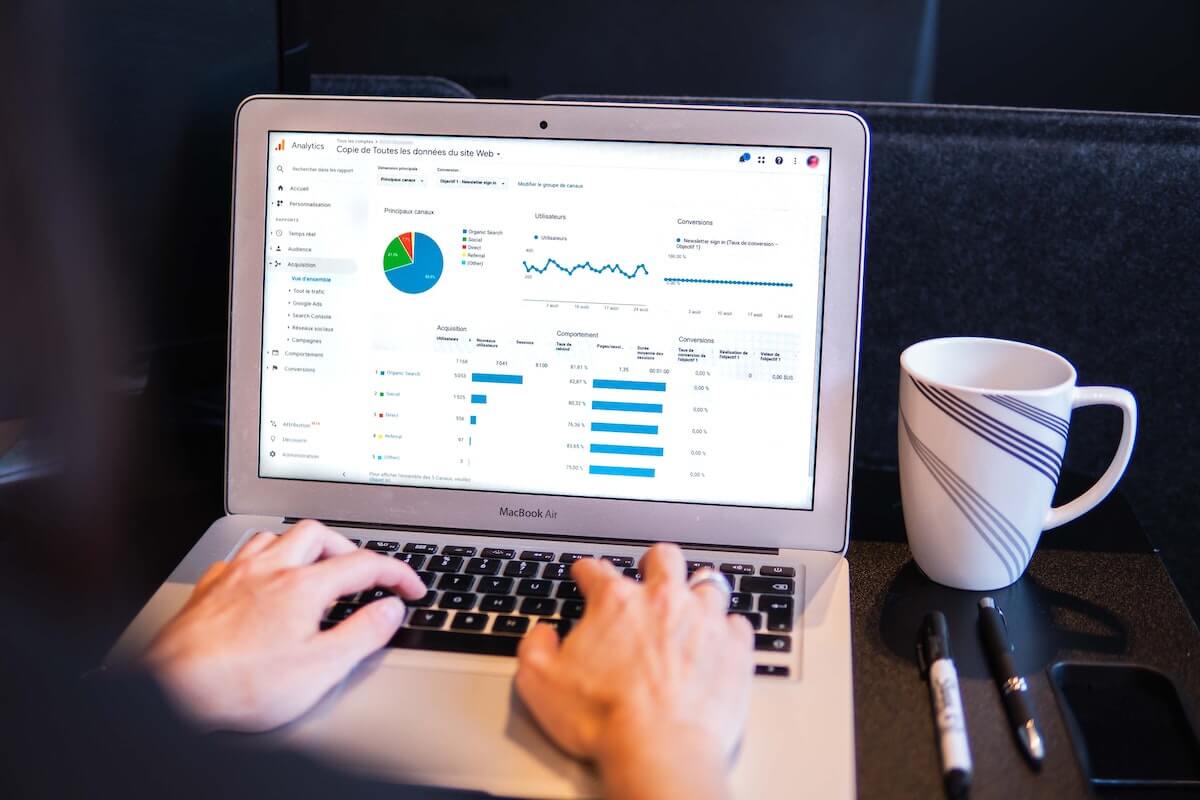
The biggest advantage is speed. You can launch a campaign and start generating traffic almost immediately. You have control over budget, targeting and messaging. You can test offers, refine landing pages and measure results in real time.
The trade-off is that the moment you stop spending, the traffic stops. You are paying for visibility.
That does not make it bad. It just makes it different.
Now the real question becomes: which aligns better with where your business stands today?
If You Need Results Now, Google Ads Often Makes Sense
Let us say you are launching a new product or service. Or perhaps you are entering a new market. Maybe sales have slowed and you need to generate leads quickly.
In these situations, Google Ads can be the faster lever.
You can target high-intent keywords such as “emergency plumber near me” or “accountant for small business Sydney.” These users are actively looking for solutions. With the right campaign structure and landing pages, you can convert that demand immediately.
This is particularly powerful for:
- New businesses without existing online visibility
- Seasonal promotions
- Time-sensitive campaigns
- Testing new offers before scaling
Google Ads also provides valuable data. You can see which keywords convert, which messaging resonates and which landing pages perform best. That data can later inform your SEO strategy.
However, speed does not equal sustainability. If your cost per click is high and competition is intense, your cost per acquisition can rise quickly.
So while Google Ads can generate fast results, it must be managed strategically to protect ROI.
If You Are Playing the Long Game, SEO Builds Assets
Now consider a business that wants to reduce long-term acquisition costs and build brand authority.
SEO is often the smarter foundation.
When your website ranks organically for relevant search terms, you are not paying for each visitor. Over time, the cost per lead decreases because your traffic does not depend entirely on ad spend.
There is also a trust factor. Many users scroll past ads and click organic results. Strong organic visibility signals credibility and authority.
SEO works especially well for:
- Businesses with longer buying cycles
- Service providers building thought leadership
- E-commerce brands targeting informational and transactional keywords
- Companies looking to dominate local search
But it requires commitment. You need high-quality content, strong technical performance and consistent optimisation. SEO is an investment, not an expense.
If you expect results in four weeks, you will likely be disappointed. If you think in quarters and years, the payoff can be significant.
The Cost Conversation: Short-Term Spend vs Long-Term Efficiency
Many business owners think SEO is free and Google Ads is expensive. That is not entirely accurate.
SEO requires investment in content creation, technical improvements, strategy and ongoing optimisation. It may not involve paying for clicks, but it still requires a budget.
Google Ads involves direct ad spend, plus management costs.
The real cost comparison should focus on customer acquisition cost over time.
With Google Ads, you might see immediate conversions but a higher cost per lead. With SEO, you may see slower growth initially, but a lower cost per lead as rankings improve.
A business with limited short-term cash flow may prefer controlled ad budgets to generate immediate revenue. A business with stable revenue might invest heavily in SEO to build a long-term traffic asset.
It is rarely a simple either-or decision. It is about aligning investment with stage and goals.
Industry and Competition Matter More Than You Think
Not every industry behaves the same way in search.
In highly competitive sectors such as legal, finance or insurance, cost per click can be extremely high. Ranking organically can also be challenging due to established competitors.
In niche industries, SEO may be easier to win with well-targeted content.
Local businesses often benefit from strong local SEO, especially if they can rank in map listings and local search results.
On the other hand, if your competitors dominate organic results with years of authority behind them, Google Ads may be the faster way to gain visibility while your SEO builds.
Understanding your competitive landscape is critical before deciding where to invest.
Your Website Conversion Rate Changes Everything
Here is something many businesses overlook.
Traffic is only part of the equation. Conversion rate determines profitability.
If your website does not convert well, investing heavily in either SEO or Google Ads will waste money.
Before scaling either channel, you need:
- Clear messaging
- Strong calls to action
- Fast loading pages
- Mobile optimisation
- Trust signals such as reviews and testimonials
Google Ads can drive high-intent traffic, but if your landing page is weak, your cost per lead will be high.
SEO can drive thousands of visitors, but if your site experience is confusing, you will not see results.
Sometimes the right answer is not SEO or Google Ads. It is fixing your website first.
The Stage of Your Business Should Guide the Decision
Let us simplify this by growth stage.
Early Stage Businesses
If you are newly launched with limited brand awareness, Google Ads can provide immediate traction. It helps you validate demand and generate revenue while you build your organic presence.
At the same time, laying the groundwork for SEO early is smart. Technical optimisation and content foundations should not be delayed.
Growth Stage Businesses
If you are already generating revenue and want to scale, combining both channels often works best.
Google Ads can target high-intent transactional keywords. SEO can target broader informational keywords that build brand trust and capture demand earlier in the buying journey.
This layered approach increases visibility at multiple touchpoints.
Established Businesses
If you already have strong brand recognition and stable revenue, SEO becomes even more powerful. Dominating organic search strengthens authority and reduces dependency on paid traffic.
Google Ads can still be used strategically for competitive keywords, remarketing and new offers.
The key is integration, not isolation.
The Data Feedback Loop
One of the biggest advantages of running Google Ads alongside SEO is data synergy.
Google Ads provides immediate keyword performance data. You can see which search terms convert at the highest rate. That insight can inform your SEO content strategy.
If certain keywords consistently generate high-value leads in paid campaigns, those terms should become priorities for organic optimisation.
Similarly, SEO data can identify high traffic keywords that you may want to dominate further with paid ads to occupy more search real estate.
When both channels inform each other, performance improves across the board.
When Choosing Only One Channel Makes Sense
There are cases where focusing on one channel initially is the smarter move.
If your budget is limited and you need immediate leads to sustain operations, Google Ads may be the practical starting point.
If your industry has lower search competition and you can realistically rank within a reasonable timeframe, SEO may offer better long-term value.
The mistake is spreading a small budget too thinly across multiple channels without sufficient impact.
Focus, then scale.
The Risk of Over-Reliance on Paid Ads
While Google Ads is powerful, relying solely on paid traffic creates vulnerability.
If competition increases, the cost per click rises. If platform policies change, campaigns may be disrupted. If your budget tightens, traffic disappears.
Businesses that invest only in paid acquisition often find themselves in a cycle of dependency.
SEO helps balance that risk by building organic equity. It creates visibility that is not directly tied to daily ad spend.
In uncertain economic conditions, that stability matters.
The Risk of Relying Only on SEO
On the other hand, relying solely on SEO can limit growth speed.
Algorithm updates can shift rankings. Competitors can invest heavily in content and link building. Organic growth can plateau.
SEO also does not allow precise control over messaging in the same way paid ads do. You cannot instantly test different offers in organic search.
Google Ads offers agility. SEO offers sustainability. The smartest strategies respect both.
So What Is Right for Your Business Right Now?
Ask yourself these questions:
- Do we need leads immediately to maintain cash flow?
- Do we have the budget to invest in long-term growth?
- Is our website conversion ready?
- How competitive is our industry?
- Are we prepared to commit consistently to SEO?
If speed is your priority, Google Ads may lead. If sustainability is your priority, SEO may take focus. If growth is your priority, integration is often the answer.
There is no universal formula. There is only one strategy aligned with reality.
The Integrated Approach That Delivers the Best Results
In our experience, the strongest performing accounts are rarely either SEO only or Google Ads only.
They are integrated.
Paid campaigns capture immediate demand. Organic efforts build authority and reduce acquisition costs over time. Data flows between channels. Messaging aligns. Landing pages are optimised continuously.
This is how you create predictable growth.
Instead of asking which channel is better, ask how they can work together.
Because ultimately, your customers do not think in channels. They search, click, compare and decide. Sometimes they click an ad. Sometimes they click on an organic result. Sometimes they see both.
Your job is to show up wherever it makes sense.
Final Thoughts
SEO and Google Ads are not competitors. They are tools.
The right tool depends on the job at hand.
If you need immediate traction, Google Ads can deliver speed and measurable control. If you are building for the future, SEO creates long term value and authority. If you want resilience and scalability, combining both strategically often produces the strongest ROI.
The most important step is not choosing a channel. It is choosing a strategy grounded in your business goals, budget and growth stage.
Because what is right for your business right now may evolve in six months.
And that is not a problem. It is a sign you are growing.
Not sure whether SEO, Google Ads or a combination of both is right for your business right now? Let’s make the decision based on data, not guesswork. Our team of expert digital marketers will analyse your market, competitors, budget and growth goals to build a strategy that drives measurable results, not just traffic. Book a strategy session with Advisible today and discover where your next dollar will deliver the strongest return.