If you have been running a business for a while, you have probably come across all sorts of marketing advice. Some of it sounds convincing. Some of it is repeated so often that it starts to feel like fact. And some of it, quite frankly, is outdated or just plain wrong.
The problem is not a lack of information.
It is knowing what actually works.
In 2026, marketing has become more complex, more data-driven and more competitive. But at the same time, a lot of businesses are still operating based on assumptions that no longer hold up.
So let’s clear the noise.
Here are eight common marketing myths that hold businesses back, followed by eight truths that actually move the needle.
Myth 1: More Traffic Means More Sales
It is easy to assume that if more people visit your website, sales will naturally follow. On the surface, that logic makes sense. More visitors should mean more opportunities to convert.
In reality, that is rarely the case. Many businesses increase their traffic significantly without seeing any real improvement in revenue.
The Truth: Conversions Matter More Than Traffic
Traffic only matters if it leads to action. If your website is not designed to convert, more visitors simply highlight the problem rather than solve it.
A smaller, more targeted audience that converts well will always outperform a large audience that does nothing. This is why focusing on conversion optimisation, user experience, clear messaging and strong calls to action is critical.
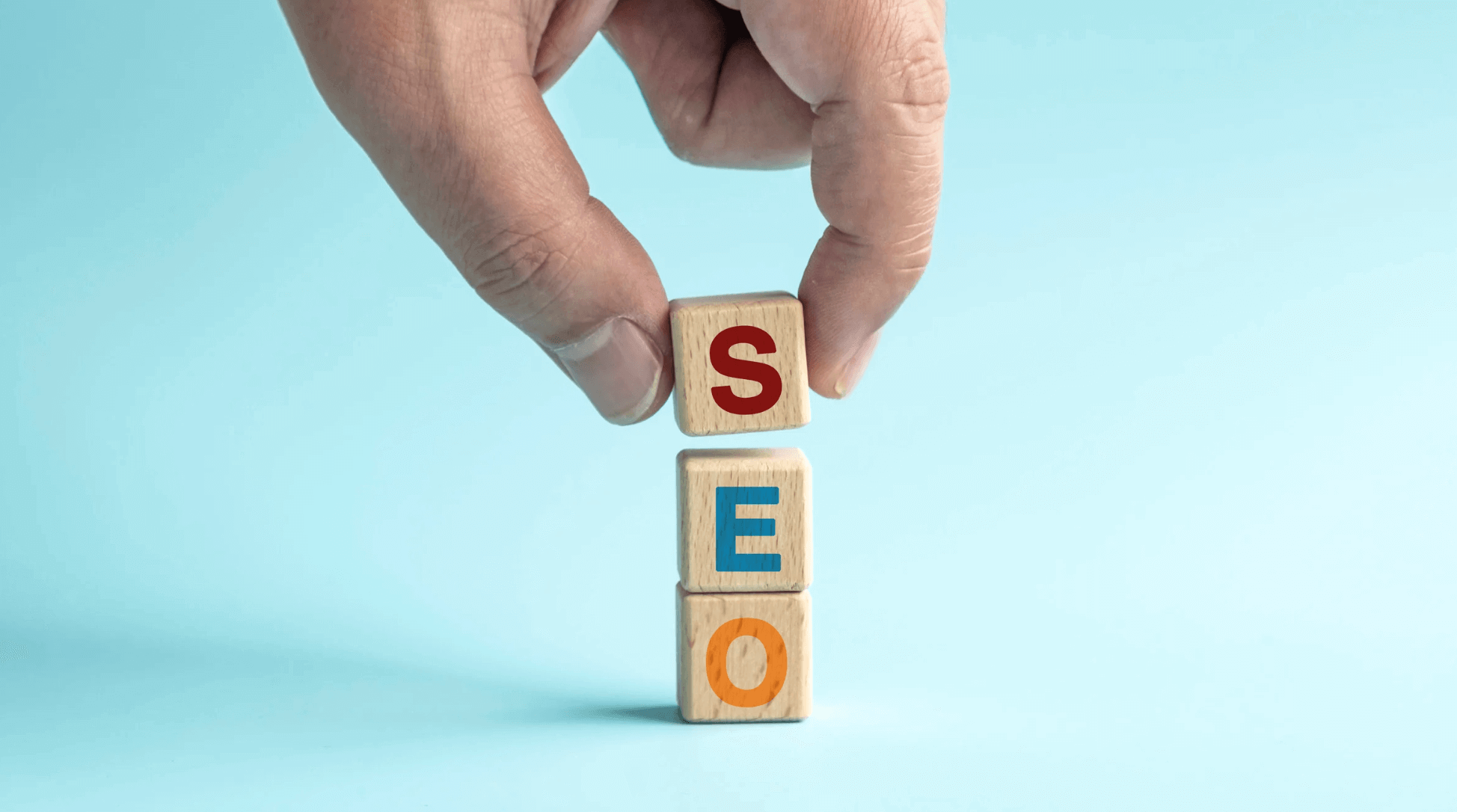
Myth 2: SEO Is Dead
Every year, there seems to be a new claim that SEO is no longer relevant. With the rise of AI and changing search behaviour, many believe its impact has diminished.
This idea often leads businesses to deprioritise SEO altogether.
The Truth: SEO Has Evolved, Not Disappeared
SEO is still one of the most effective long-term strategies for growth. What has changed is how it works.
It is no longer just about ranking for keywords. It is about building authority, aligning with user intent and creating content that genuinely helps people. Businesses that understand this shift continue to see strong results.
Myth 3: You Need to Be on Every Platform
There is constant pressure to be present on every social media platform. If your competitors are active everywhere, it feels like you should be too.
This often leads to spreading resources too thin.
The Truth: Focus Beats Presence
Being everywhere does not guarantee results. In fact, it often leads to inconsistent and ineffective content.
It is far more valuable to focus on the platforms where your audience actually spends time. When you concentrate your efforts, you can create better content and build stronger engagement.
Myth 4: Paid Ads Guarantee Instant Success
Paid advertising is often seen as a shortcut to growth. Many businesses expect immediate results simply by increasing their ad spend.
This expectation can lead to frustration when results do not match the investment.
The Truth: Ads Amplify What Already Exists
Paid ads do not fix underlying issues. They amplify them.
If your offer is unclear or your website does not convert, ads will simply drive more people into a broken funnel. Strong campaigns are built on solid foundations, not just budgets.
Myth 5: Content Is Just About Keywords
There was a time when SEO content focused heavily on keyword placement. Some businesses still approach content with this mindset.
However, this approach no longer delivers the same results.
The Truth: Content Is About Value and Intent
Search engines now prioritise content that provides real value. They look for depth, relevance and accuracy.
Keywords still play a role, but they are only one part of the equation. If your content does not answer real questions or meet user intent, it will struggle to perform.
Myth 6: More Content Means Better Results
With AI tools making content creation easier, many businesses believe that publishing more content will automatically improve performance.
This often leads to a focus on quantity over quality.
The Truth: Quality Outperforms Quantity
Publishing large volumes of low-quality content can do more harm than good. It can dilute your brand and reduce engagement.
Fewer, well-crafted pieces that provide genuine value will deliver stronger results over time. The focus should always be on quality, not just output.
Myth 7: Your Website Just Needs to Look Good
Design is important. No one is arguing that.
But many businesses focus heavily on aesthetics and overlook functionality.
The Truth: Performance Matters More Than Appearance
A visually impressive website that is slow, confusing or difficult to navigate will not convert.
Your website needs to:
- Load quickly
- Communicate clearly
- Guide users towards action
Design should support performance, not replace it.
Myth 8: Marketing Results Should Be Immediate
There is often an expectation that marketing should deliver instant results. When it does not, it is seen as ineffective.
This mindset can lead to short-term thinking.
The Truth: Sustainable Growth Takes Time
Some channels can deliver quicker results, but most effective strategies require consistency and patience.
SEO, content marketing and brand building all take time to develop. Businesses that understand this are more likely to see long-term success.
8 Truths That Actually Drive Results
Now that we have addressed common myths, let’s look at what truly makes a difference.
Truth 1: Strategy Comes First
Without a clear strategy, even the best tactics will fall short.
Before launching campaigns, you need to understand your audience, your positioning and your goals. This clarity ensures that your efforts are aligned and effective.
Truth 2: Messaging Drives Everything
Your messaging is often the deciding factor in whether someone takes action.
It should clearly communicate what you offer, who it is for and why it matters. If people cannot quickly understand your value, they will move on.
Truth 3: Data Should Guide Decisions
Modern marketing relies on data.
Tracking performance allows you to understand what is working and what is not. This helps you make informed decisions and optimise your strategy over time.
Truth 4: User Experience Impacts Conversions
What happens after a user clicks is just as important as getting them there.
A strong user experience makes it easy for visitors to navigate your site and take action. This directly influences conversion rates.
Truth 5: Consistency Builds Trust
Marketing is not about one-off efforts.
Consistent activity builds familiarity and trust with your audience. Over time, this leads to stronger engagement and better results.
Truth 6: Channels Work Better Together
No single channel operates in isolation.
SEO, paid ads, and content marketing all support each other. When these channels are aligned, they create a more effective and cohesive strategy.
Truth 7: Testing Leads to Improvement
Marketing is not static.
Regular testing allows you to refine your approach and improve performance. Small changes in messaging or design can lead to significant gains.
Truth 8: Long-Term Thinking Wins
Short-term tactics can deliver quick results, but they rarely build lasting success.
Investing in long-term strategies such as SEO, content, and brand development creates sustainable growth. Businesses that think ahead are better positioned to succeed.
Final Thoughts
Marketing is full of advice, but not all of it is worth following.
The key is to focus on what actually works. Let go of outdated assumptions and build your strategy on proven principles.
Success does not come from chasing every trend. It comes from being clear, consistent, and focused on delivering value.If your marketing feels scattered or inconsistent, it may be time to reassess what is actually driving results. At Advisible, we help businesses move beyond common myths and build strategies that deliver measurable growth. Get in touch with our team to create a marketing approach that is grounded in real performance, not assumptions.